When is the best time to go on a Kenya safari?
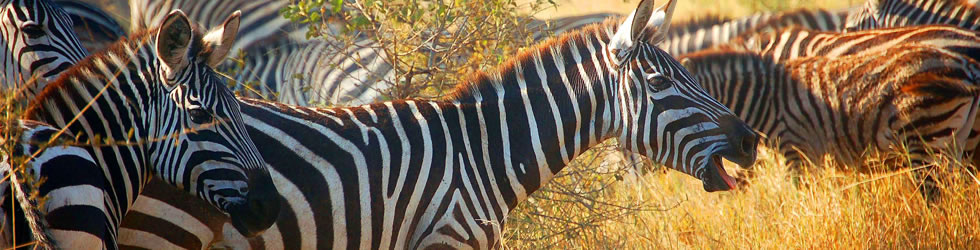
While Kenya safaris are available year-round, the best time for game-viewing is during the dry African winter (May through August). This is when vegetation becomes sparse and thinned out, providing less-obstructed views of the animals. Also, animal populations are concentrated at rivers, pools and other water sources. Temperatures are generally mild during this time.
[top]
How far in advance should I book my Kenya safari?
It is best to book as far in advance as possible, as some safaris sell out
months ahead of their departure dates. This is especially important for
those planning to travel during peak seasons (July and August) and for those
adding extensions to scheduled trips.
[top]
Why are safaris labeled as budget, first class or deluxe? What is
the difference?
Safaris are classified according to the quality and amenities of
accommodations, and the quality and number of meals and activities
included in the price of your vacation.
Budget safaris typically range from $60 to $250 per person, per day, plus airfare.
First-class safaris typically range from $150 to $500 per person, per day, plus airfare.
Deluxe safaris typically range from $175 to $850 per person, per day, plus airfare.
[top]
Are children allowed on Kenya safaris?
Most Kenya safari companies set specific age limits for children. For safety reasons, children five and under might not be allowed on game drives in the parks and reserves, where terrain may be rough. In some cases, very young children may not be permitted on a safari, and older children and teens must be accompanied by an adult. There are a few Kenya safaris designed just for families, providing an exciting and educational experience for all.
[top]
How many people travel in a safari group?
Group sizes vary according to the tour operator. Many tour operators limit
game drives to six or seven people per vehicle, using more than one vehicle
if needed so that everyone is guaranteed a window seat and good photo
opportunities.
[top]
How long do safaris last?
We offer safaris that range from less than a week to a month or even longer.
[top]
Is airfare included in my safari price?
In some cases, the prices shown on our site are for the safari only,
but one of our travel counselors can quote air from your airport gateway.
We may show an air-inclusive price on the site, though that price is based
on air from certain gateways and will be different if you choose to depart
from a different airport.
For customers departing from the US, we offer airfare to connect to the
safari. Most tour operators do not offer air from other countries, so
customers departing from gateways outside the US should arrange their own air.
[top]
Is there an additional charge for solo travelers on Kenya safaris?
Safari prices are quoted based on double occupancy. Solo travelers who want
their own room pay the per-person price plus the single supplement fee.
A single supplement is a fee imposed by hotels, lodges and camps on
individuals traveling alone who want private accommodations.
Some tour operators can arrange for two single travelers to share
accommodations, providing they are on the same safari, of the same sex,
and both persons agree to the arrangement.
[top]
What are the entry requirements for the destination countries in Africa?
All safari guests must carry a passport that is valid for six months
beyond the intended length of stay. Some countries require visitors to
purchase visas. It is recommended you purchase your visa in advance.
Check with the consulate of your destination country for the latest
visa and entry requirements. The following visa requirements are current
for citizens of the United States.
Botswana: A visa is not required for tourists.
Kenya: A visa is required and costs approximately $25. A visa can be
obtained through a Kenyan embassy in advance of your trip.
Namibia: A visa is required and costs approximately $50. A visa can be obtained through a Namibian embassy in advance of your trip.
Rwanda: A visa is not required for tourists.
South Africa: A visa is not required for tourists.
Tanzania: A visa is required and costs approximately $100. A visa can
be obtained through a Tanzanian embassy in advance of your trip.
Uganda: A visa is required and costs approximately $50. A visa can be obtained through a Ugandan embassy in advance of your trip.
Zambia: A visa is required and costs approximately $50. A visa can
be obtained through a Zambian embassy in advance of your trip.
[top]
What should I pack for a Kenya safari?
Pack as lightly as possible, but be prepared for all the activities in which
you are planning to participate. Pack for the destination and season you will
encounter, and be mindful that climates may vary drastically from region to
region, such as in Kenya's blend of high altitudes and tropical sun.
Temperatures can also vary quite a bit between the midday heat and the
evening cool, so plan to dress in layers. Comfort will be a priority, but
you might consider bringing a few dressy outfits for nights out in the cities.
Pack neutral-colored, comfortable, lightweight clothing. White, bright or
vividly patterned clothing should be avoided when game viewing on foot so
that safari-goers can blend in with the natural landscape as much as possible.
Bring sturdy walking shoes or hiking boots, depending on the anticipated
level of physical activity. Wide-brimmed hats, sunglasses, lip protection and
good quality sunscreen are essential to protect against the harsh African sun.
Insect repellent with DEET is also a must when on safari. Also pack a good
pair of binoculars to optimize wildlife viewing.
A travel kit is recommended with any basic medications you may need, such as
painkillers, antihistamines, allergy medicines or remedies for an upset
stomach. If you take prescription medication, bring a sufficient supply to
last for the duration of your trip, and write down the generic names so that the
drugs could be replaced locally if necessary. Those who wear prescription
glasses or contact lenses should bring spares.
Pack prescription medicines and spare contacts or glasses in your carry-on bag,
in the event that your checked luggage is delayed.
Climbers and divers can hire gear locally but may wish to bring their own
equipment, as well as dive certification cards. Those with digital camera
or video camera battery chargers or other electrical items should bring the
appropriate power converter and adapters.
Securely bind all travel documents together, including tickets, passports
and any visa entries, vaccination certificates and travel insurance
documents. Make extra copies of your passport, airline tickets and
traveler's check numbers, some to pack and some to leave at home. A small
daypack is a handy means of carrying travel documents, cameras and everyday
items.
[top]
What sort of luggage should I bring?
Due to space limitations aboard motorcoaches and domestic flights between
safari destinations, tour operators may place restrictions upon the number
of bags allowed per person, and upon the maximum weight of each bag. Guests
also may be required to use only soft-sided luggage or duffel bags rather
than hard-sided suitcases. Ask your travel counselor for more details.
[top]
What medical precautions should I take before traveling to Africa?
It is worthwhile to protect your health and take basic precautions to
ensure a smooth trip. Talk with your doctor or travel medicine specialist
one to two months before your trip to discuss medical issues related to
your travel destination. Travelers to Africa must take responsibility
for obtaining required or recommended vaccinations, prescriptions,
over-the-counter medications or insect repellents. Proof of vaccination
may be required for entry into a destination country or for return entry
into your originating country.
Your doctor can advise you of the latest health precautions, as vaccination
requirements are subject to change. Vaccines that may be recommended for
travelers to Africa include those for tetanus, diphtheria, polio, typhoid,
hepatitis A, hepatitis B, yellow fever, rabies and meningitis. Some of these
vaccines may not become effective immediately, or may require more than one
dose. If a disease was recently prevalent and is endemic in the destination
country, many doctors may recommend the vaccination as a precaution.
If you are taking prescription drugs, make sure you have an adequate supply
of medication for the duration of your trip, as well as a copy of your
prescription.
[top]
See also "
What is the risk of malaria?"
What are some of the attractions on a Kenya safari?
Masai Mara National Reserve, Samburu Game Reserve, Amboseli National Park, Lake Nakuru National Park, Nairobi
[top]
What is the landscape like in Kenya?
This eastern country lies on the Indian Ocean and on the equator. Its four geographical regions are desert, savanna, highlands and fertile lowlands along the coast. There are extinct volcanoes as well as lakes and rivers.
[top]
What is the best time of day to view the animals?
In general, the best times to see game are early morning and late afternoon.
In the midday heat, animals frequently retreat to the cool of thick
undergrowth, where they cannot be seen. Another benefit to morning and
afternoon game drives is witnessing Africa's unforgettable sunrises and
sunsets.
[top]
How did Africa's "Big Five" get its name?
The "Big Five" are leopard, lion, elephant, rhino and buffalo
and comprise a top viewing priority for many safari-goers. The term is a
reference from the days of colonial trophy hunting, when hunters ranked
African game according to how dangerous they were to pursue.
[top]
What types of accommodations can I expect on a Kenya safari?
Accommodations will vary according to which type of safari you choose,
from simple yet comfortable bungalows and participation camping to
private, luxurious lodges. Guests may also stay in bush lodges, fine
hotels or well-appointed, Hemingway-style tented camps.
[top]
What types of transportation are used on Kenya safaris?
While it varies among tour operators, transportation is generally by
private vehicle. Four-wheel-drive safari vehicles are essential throughout
the national parks and game reserves. All vehicles are maintained with
high standards of comfort and safety. Some safaris use internal
flights to transport guests between destinations.
[top]
What are the roads like in Kenya?
Major roads are tarred, while the surfaces of lesser roads vary. In the rainy season, four-wheel-drive vehicles are essential on many roads.
[top]
What are the different cultures and religions to be encountered on Kenya safaris?
More than 70 tribal groups exist in Kenya, though traditional values are becoming less prominent as the country integrates more Western cultural values. More than three-fourths of the population is Christian, while Islam and indigenous beliefs are also represented.
[top]
What languages are spoken in the destination countries in Kenya?
English is spoken widely throughout eastern and southern Africa, especially by those involved in the tourism industry.
The main languages spoken are English, Swahili and Kikuyu.
[top]
Do you have any photography tips for travelers on an Africa safari?
As you are not always guaranteed to get extremely close to the wildlife,
a typical "point-and-shoot" camera may be insufficient.
A 35mm SLR (single lens reflex) camera with an interchangeable lens
is recommended. A 35-70mm lens works well for landscapes; a zoom lens
such as a 70-210mm lens is good for moving subjects; and a long lens
such as an 80-200mm lens is good for wildlife photography. More serious
photographers may choose telephoto lenses of 400-500mm, though any
larger lens that might require a tripod would not be practical on a
moving vehicle. A 2x teleconverter is a useful option to double the
focal length of your lens.
The bright African sun provides good lighting, and a UV filter may be
helpful. ASA/ISO 50 and 100 speed film will suffice in daylight
conditions. Using larger lenses will require faster film, such as
200-400 ASA film, especially in the softer light of early morning or
late afternoon.
Bring plenty of film and extra batteries. If you run out during your
vacation, you generally can find film and batteries available at
lodges and along major tourist routes. Protect your equipment on
safari with a solid camera bag, as well as a lens cleaning cloth
and a soft brush to eliminate dust.
Users of digital cameras should pack rechargeable batteries, a charger,
adaptors and converter, and one or two high-capacity memory cards
(1 gigabyte is often recommended) to store the photos you've taken.
For a digital video camera, bring long-life batteries, charger, and
adaptors and converter for the charger.
It is important to remember that not all African cultures are comfortable
with cameras. Rural populations may shy away from your camera, and some
locals may ask for a fee in return for having their picture taken. It is
advisable to avoid photographing anything relating to government and
military installations, including personnel such as soldiers or police
and buildings such as post offices, banks, airports, border posts and
railway stations.
[top]
What are the time differences in Africa?
Time zones in Africa safari destinations range from six to eight hours
ahead of U.S. Eastern Standard Time.
[top]
What are the local currencies, and where can I exchange currency?
The official currency is the Kenya shilling. Travelers can exchange foreign currency at a local bank, bureau de change or authorized hotel. Major currencies such as the US dollar and the euro are easily exchanged.
[top]
When are banks open?
Banks are open from 9am to 3pm Monday to Friday; some branches are open from 9am to 11am on Saturdays. Many banks are equipped with 24-hour ATM machines.
[top]
Can I use my credit card for purchases made while on an Africa safari?
Most major credit cards (Visa, MasterCard and American Express) and traveler's checks are widely accepted. Diners Club is not generally accepted. Most banks are equipped to advance cash on credit cards.
[top]
Is tipping a common practice in Kenya?
Tipping is not mandatory in Kenya. Guides, drivers, waiters and hotel staff can be tipped at your discretion.
[top]
Will I have access to the Internet while on safari? How about
international phone service?
While communications in remote tented camps will be limited, most major
hotels and lodges offer Internet services as well as international
telephone and fax services. Additionally, private communication centers
and cyber cafes in larger towns enable tourists to stay connected. Some
centers may close on Sundays and public holidays. The cellular networks
in safari destination countries, especially Kenya and South Africa,
cover most large towns and tourist areas. There are post offices in many
towns, and stamps are also sold in many shops in tourist lodges and hotels.
[top]
What types of electrical outlets are used in Kenya?
The electrical current in lodges and hotels is 220 volts. If you plan to
bring 110-volt electrical devices, it's suggested that you pack an
electrical converter and an adapter plug set (socket configurations in
destination countries vary between the two-pronged variety and the
three-pronged variety). In general, there are no electrical outlets in
the tents of safari camps. Many safari camps in remote locales produce
their own electricity through a generator that runs when guests are away
from the camp on activities. Your tour guide may be able to arrange for
the charging of digital or video camera batteries at these times.
[top]
What safety issues should I consider while traveling in Kenya?
Basic precautions should be taken in all countries. Tour guides are highly
experienced in navigating each destination, but visitors should always be
aware of their surroundings, especially in any rural villages that may be
wary of foreigners. In less-developed countries where many people live in
poverty, crimes of opportunity can occur, such as petty theft. Visitors
are advised to stay alert and use common sense. Safari guests should limit
the amount of cash they carry and lock valuables in a hotel safe or other
secure place. Lock hotel rooms when you leave. Do not walk alone in
deserted areas at night. Take extra care of purses, bags and wallets in
crowded places such as malls and nightclubs.
[top]
Is the water in Kenya safe to drink?
The quality of tap water can vary by destination. When in doubt, drink bottled water. Bottled and canned drinks should be widely available at hotels, lodges and restaurants.
Water in major towns is chlorinated and relatively safe to drink, though it is safer to drink bottled water.
[top]
What precautions should I take when dining in Africa?
It is worthwhile to be selective when traveling through the tropics,
as possible disease hazards can range from minor bouts of travelers'
diarrhea to dysentery and more serious parasitic diseases. Food should
always be thoroughly cooked and served hot. Do not feel compelled to
eat anything you might be wary about, as it is better to err on the
side of caution.
Tour operators choose hotels and restaurants with high standards for
food preparation. When dining elsewhere, it is best to avoid ice and
raw produce. Avoid buying food or drink from street vendors.
If possible, avoid eating in empty restaurants or buffets (outside of
those included in your tour), as the food may have been reheated or
left sitting out for some time. Order meat well-done. In general it is
best to avoid fish, unless you are on the coast and the seafood is fresh
and thoroughly prepared.
[top]
What is the risk of malaria?
Malaria is spread by mosquitoes, which bite mainly at dusk and at night.
You can only contract malaria if you are bitten by an infected anopheles
mosquito. Safari guests are advised to use insect repellent containing
DEET (sprayed on clothing and any exposed skin), to keep arms and legs
covered as much as possible, and to avoid the use of perfume, hairspray
and other scented products that might attract mosquitoes.
The U.S. Centers for Disease Control and Prevention (CDC) strongly
recommends that visitors to southern and eastern Africa take anti-malarial
medication. Consult your physician before your trip so that he or she
can prescribe the appropriate drugs. Anti-malarial medications are
generally taken prior to your departure, during your trip, and after
you return home for periods determined by your doctor. Symptoms of malaria
include aches, chills, headaches and fever, and may not appear until after
your trip. Treatment is widely available, recovery times are fast, and
with basic precautions, the risk of infection is minimal.
[top]
Are there any other health concerns for travelers in Africa?
Depending on the season of your safari, the heat may be intense. Always stay
well hydrated, use sunscreen with a high protection factor, wear a hat and
light clothing, and stay indoors or in the shade during the hottest parts
of the day. Keep a close eye on any minor wounds to ensure they do not get
infected.
Travelers should avoid handling any animal, as rabies can be transmitted
by licks and scratches as well as bites. Schistosomiasis, also known as
Bilharzia, is a parasitic disease spread in Africa's streams and rivers.
It is best to avoid swimming anywhere except in chlorinated pools.
[top]